Cut and Sew Manufacturer: A Complete Guide for Clothing Brands
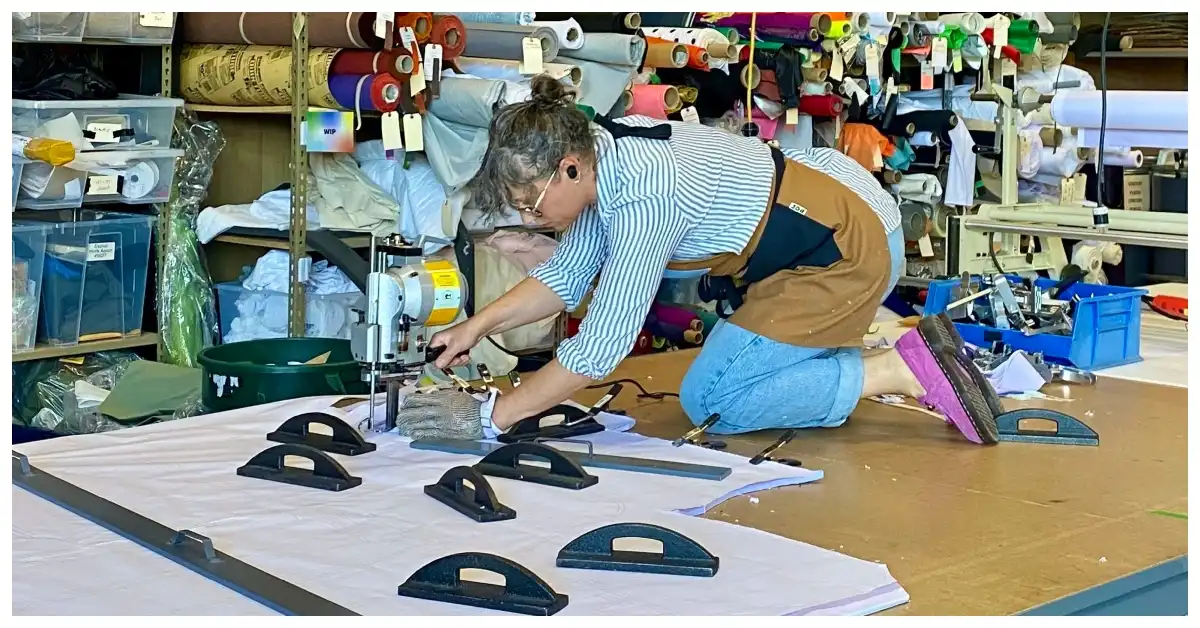
Finding a reliable cut and sew manufacturer is a pivotal step for business owners who want to ensure the quality and consistency of their apparel products. The right partnership can mean the difference between a well-received line and a logistical nightmare. To choose wisely, it’s necessary to scrutinize a manufacturer’s reputation, quality control processes, cost structures, and collaborative approach.
Business owners need to delve into specific factors that can impact the success of their apparel production. Below, we address the critical considerations for selecting a cut and sew manufacturer to help ensure your fashion endeavors are seamlessly executed and financially viable.
Assessing Cut and Sew Manufacturer Expertise and Specialization
The expertise and specialization of a cut and sew manufacturer can dramatically influence the final product’s quality. A manufacturer with a proven track record in your specific apparel niche is more likely to provide valuable insights and anticipate potential challenges unique to that space. Manufacturers with specialized experience may also have more access to the right materials and skills.
For instance, working with a manufacturer that focuses on sportswear might be beneficial if you’re producing technical athletic apparel, as they will be well-versed in high-performance fabrics and construction techniques. Research their past projects and client reviews to gauge their proficiency in your intended product category.
Solicit samples to evaluate their craftsmanship firsthand and cut and sew manufacturer initiate discussions about their specific experiences with products similar to yours. Questions about their prior projects can help you establish if they possess the necessary skills to execute your vision to the highest standard.
Evaluating Quality Control Measures in Apparel Production
Meticulous quality control (QC) is crucial for maintaining brand reputation and customer satisfaction. Select a cut and sew manufacturer that has stringent QC measures in place to minimize defects and ensure consistency throughout the production run. Lack of effective QC can lead to subpar products and costly returns.
Quality control should span the entire production process, from sourcing fabrics to final stitching. Some manufacturers may even have certifications, such as ISO 9001, which can be a testament to their commitment to quality standards. Let their QC practices be a significant determinant in your decision-making process.
It’s wise to investigate their QC protocols, such as frequency of inspections and how defects are handled. Inquire if they allow third-party inspections or if you can perform site visits during production to ensure that the QC practices meet your company’s expectations.
Understanding the Cost Structure of Cut and Sew Services
The costs involved with cut and sew manufacturers can vary widely based on several factors. It’s essential to understand the cost structure of a prospective manufacturer to ensure it aligns with your budget and provides transparency for long-term financial planning. Any ambiguity in pricing can lead to unexpected expenses, jeopardizing your project’s profitability.
Costs can be influenced by the complexity of the designs, the quality of materials used, the production volume, and the turnaround time required. There may also be additional fees for pattern making, grading, and sample production. A detailed quote should break down these costs clearly while also highlighting payment terms and conditions.
Before you commit to a partnership, make sure to negotiate the terms and ask about possibilities for scaled pricing or discounts for larger orders. It’s also important to understand the triggers for cost increases, such as rush orders or design changes, to avoid any miscommunication.
Building a Partnership: Communication and Collaboration with Manufacturers
Effective communication is the bedrock of any successful partnership with a cut and sew manufacturer. It facilitates clear expectations, iterative feedback, and agile responses to any issues that may arise. Look for a manufacturer who values transparent dialogue and shows a willingness to collaborate closely with your brand.
Understanding the manufacturer’s responsiveness to communication requests can offer insight into future collaboration. Review their policies on updates during the production process and their flexibility to make changes when necessary. Testimonials from past clients can also reveal how well the manufacturer works under varying project scopes and pressure.
Establishing regular check-ins and using collaborative project management tools can also help keep both parties aligned. Ensure there is a detailed agreement outlining communication protocols, including preferred methods and expected response times, to prevent misunderstandings and sustain a productive working relationship.
Ultimately, selecting the right cut and sew manufacturer is a multifaceted decision that can profoundly affect your apparel business’s trajectory. Considering their expertise and specialization, quality control measures, cost structure, and approach to partnership is essential in ensuring a successful outcome for your products. By thoroughly vetting each manufacturer against these criteria, you can forge a beneficial collaboration that supports the growth and reputation of your brand.